
Call us now :08045801009
 Send Inquiry
 Send Inquiry
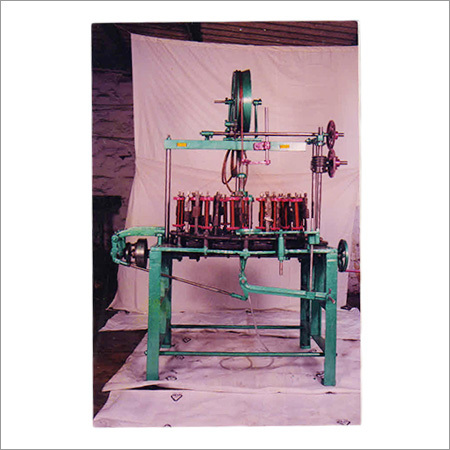
Flat Braiding Machine
MOQ : 1 Unit
Flat Braiding Machine Specification
- Machine Speed
- Up to 320 Spindle RPM
- Carrier
- 16 (Standard), Available 8-24 as per model
- Bobbin Size
- 48 mm x 140 mm
- Product Type
- Flat Braiding Machine
- General Use
- Textile Industry, Cord and Lace Making
- Material
- Mild Steel (Frame and Parts)
- Capacity
- Continuous Operation with High Output (Up to 50 m/h, varies by yarn type)
- Weight (kg)
- Approx. 450 kg
- Type
- Automatic Braiding Machine
- Panel
- Digital Control Panel
- Oil Bath
- Yes
- Computerized
- No
- Automatic
- Yes
- Knitting Style
- Flat Braided Structure
- Machine Power
- 1.5 HP
- Motor Power
- 1.5 HP (Heavy Duty Motor)
- Spindle RPM
- Up to 320 RPM
- Traction RPM
- Up to 12 RPM
- Horn Gear Speed
- 320 RPM
- Needle Type
- Braiding Needle
- Voltage
- 220-240 V, 50/60 Hz
- Dimension (L*W*H)
- 2300 mm x 800 mm x 1700 mm
- Feature
- Low Noise, Smooth Operation, Compact Design
- Color
- Industrial Blue & Silver
- Drive System
- Belt Driven with Safety Covers
- Production Speed
- 30~50 m/h (varies with yarn and braiding pattern)
- Suitable Yarn Types
- Cotton, Polyester, Nylon, Rayon, Polypropylene, etc.
- Lubrication System
- Automatic Oil Bath
- Finish
- Powder Coated Frame for Rust Resistance
- Output Width
- Up to 100 mm (depends on yarn and setup)
- Installation
- Floor Mounted
- Control System
- PLC or Digital Push Button Panel
- Application
- Shoelace, Flat Cords, Laces, Elastic, Decorative Trims, Medical Tapes
- Number of Spindles
- 16 (customizable up to 24 depending on model)
- Noise Level
- Below 75 dB(A)
Flat Braiding Machine Trade Information
- Minimum Order Quantity
- 1 Unit
- Supply Ability
- 100 Units, , Per Month
- Delivery Time
- 1 Week
- Main Export Market(s)
- Australia, South America, Western Europe, Middle East, Africa, Central America, Asia, Eastern Europe, North America
- Main Domestic Market
- All India
About Flat Braiding Machine
Due to its uses and market review, we are assembling and supplying qualitative Flat Braiding Machine to our valuable clients which is made by utilizing high quality required materials with the help of modern technology. This machine has applications in the manufacturing procedures. It is high in quality and durability. All the provided items are properly checked on the various quality parameters before dispatching them from our premises. The supply of this Flat Braiding Machine is done by us at a reasonable price rate.
Specification
|
Capacity |
8 m/hour |
|
Machine Type |
Semi-Automatic |
|
Brand |
Semco |
|
Material |
Mild Steel |
|
Surface Finish |
Color Coated |
|
Usage/Application |
Rope Branding |
|
Country of Origin |
Made in India |
|
Number of Spindles |
10 |
Advanced Flat Braiding Technology
Engineered for superior braiding with an automatic oil bath system, this machine delivers consistent output at speeds of up to 50 meters per hour. With PLC or digital control options, adjustments are simple, ensuring high productivity with minimal downtime. The smooth, low-noise operation creates a comfortable and safe workspace, ideal for industrial-scale textile production.
Versatility in Yarn and Application
Whether producing shoelaces, decorative trims, or medical tapes, the machine supports cotton, polyester, nylon, rayon, and polypropylene yarns. Various output widths and customizable spindles (from 8 to 24) allow users to tailor production to specific requirements, accommodating a wide range of flat braided structures for diverse industry applications.
FAQs of Flat Braiding Machine:
Q: How does the automatic oil bath lubrication system enhance machine performance?
A: The automatic oil bath system ensures that all moving parts are continuously lubricated, reducing wear and tear and allowing for smooth, low-noise operation. This not only extends the machines lifespan but also maintains consistent quality and output speed during continuous operation.Q: What types of yarns can be used with this flat braiding machine?
A: This machine accommodates a variety of yarn types, including cotton, polyester, nylon, rayon, and polypropylene, making it suitable for producing different styles and strengths of flat braids to meet various industrial needs.Q: When is it advisable to choose a machine with a higher number of spindles?
A: A higher spindle count (up to 24, depending on the model) is recommended when increased width, production capacity, or intricate braiding patterns are required. This flexibility enables manufacturers to match machine specifications with specific project or client requirements.Q: Where is the ideal installation location for this braiding machine?
A: The machine is floor-mounted and best suited for textile production facilities, manufacturing units, or workshops with adequate space to accommodate its dimensions (2300 mm x 800 mm x 1700 mm) and provide good ventilation for heavy-duty operations.Q: What benefits does the digital control panel offer during operation?
A: The digital push button panel (or PLC control system) simplifies operation, allowing quick adjustments to production speed, braiding pattern, and monitoring of machine status. This contributes to reduced downtime, enhanced safety, and greater control over product quality.Q: How is the flat braiding process carried out on this machine?
A: Yarns are loaded onto spindles, after which the machine interlaces them through a synchronized flat braiding system, powered by a belt-driven mechanism with enclosed safety covers. The process is overseen via the digital control panel, enabling continuous, precise production of flat braided cords or laces.Q: What advantages does this machine provide for manufacturers and exporters?
A: Manufacturers and exporters benefit from its high output capacity, adaptability to various yarn materials, energy-efficient operation (1.5 HP motor), and durable, rust-resistant construction. Its low noise level and smooth operation contribute to a more efficient and safe workplace, increasing overall productivity.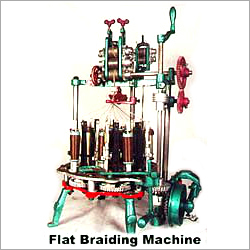
Tell us about your requirement

Price:
Quantity
Select Unit
- 50
- 100
- 200
- 250
- 500
- 1000+
Additional detail
Mobile number
Email

More Products in Textile Braiding Machines Category
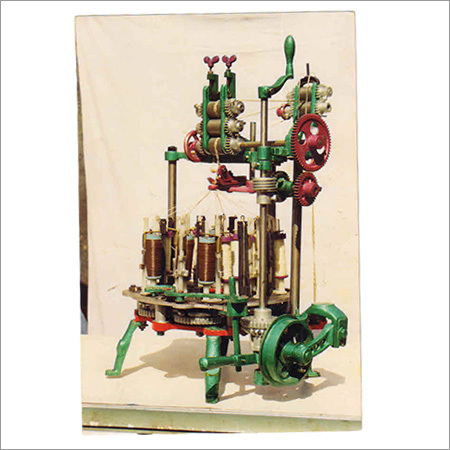
17 Spindle Braiding Machine
Price 5400 INR / Unit
Minimum Order Quantity : 1 Unit
General Use : Braiding textile yarns, threads, or wire
Traction RPM : 120 RPM
Machine Power : 1.5 kW
Color : Blue & White
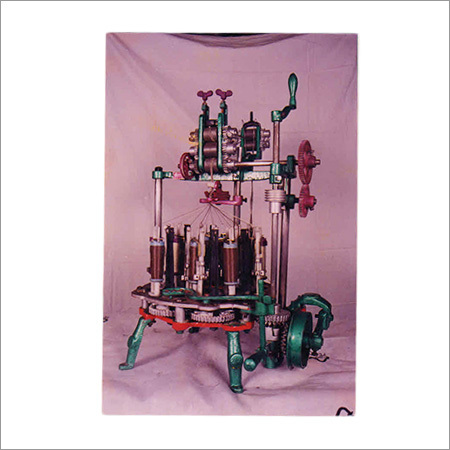
12 Spindle Rope Braiding Machine
Price 100.00 - 5000.00 USD ($) / Unit
Minimum Order Quantity : 1 , , Unit
General Use : Rope manufacturing, braiding ropes and cords
Traction RPM : 50200 RPM
Machine Power : 3 HP
Color : Blue and White
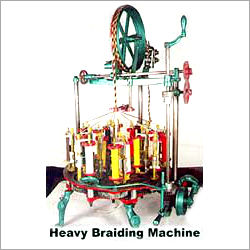
Special Braiding Machines
Price 8000-80000 INR / Unit
Minimum Order Quantity : 1 Unit
General Use : Industrial cord and rope making, specialty braided products
Traction RPM : 860 RPM (adjustable)
Machine Power : 2 HP to 5 HP
Color : Green/Blue or as per order
Textile Braiding Machine
Price 14000 USD ($) / Unit
Minimum Order Quantity : 1 Unit
General Use : Braiding yarns, cords, shoelaces, ropes, and tapes
Traction RPM : 1030 rpm
Machine Power : 35 HP
Color : Sky Blue

 Send Inquiry
Our Products


"E" Ward, Near Mahavir Kasratshala, Kuber Nagar, Ahmedabad - 382340, Gujarat, India

Mr Sumit A Mulani
(Marketing Manager)
Mobile :08045801009
 Send Inquiry
 Send SMS
 Call Me Free
Developed and Managed by Infocom Network Private Limited.
 English
 Spanish
 French
 German
 Italian
 Chinese (Simplified)
 Japanese
 Korean
 Arabic
 Portuguese